In an increasingly interconnected world, ensuring robust network security has become paramount. The Zero Trust Security Framework represents a modern approach to safeguarding sensitive data and systems by operating under the principle that threats could be within or outside the network perimeter. This article will delve into implementing the Zero Trust framework along with continuous monitoring strategies that are essential for optimal threat detection. Readers will learn about its core principles, the importance of Identity and Access Management (IAM), and the tools that support these security measures. Moreover, we’ll discuss best practices for network security monitoring and conducting effective cybersecurity risk assessments, all designed to fortify your defenses against evolving threats. By the end of this guide, you will be equipped with the knowledge to enhance your organization’s security posture significantly.
Table of Contents
- Network Security Hub: How to Implement Zero-Trust Security Framework and Continuous Monitoring for Optimal Threat Detection
- What is Zero Trust Security Framework and Why Does It Matter?
- How Do Network Threat Detection Tools Enhance Security?
- What Are Best Practices for Continuous Network Monitoring?
- How to Conduct Comprehensive Cybersecurity Risk Assessment?
- Which Identity And Access Management Strategies Strengthen Zero-Trust Networks?
- What Emerging Trends and Technologies Shape Network Security Hub Innovations?
Need Expert Cybersecurity Help?
Get expert guidance from CyberPhore. We design, deploy, and manage comprehensive cybersecurity programs with measurable outcomes.
Book a Free ConsultationNetwork Security Hub: How to Implement Zero-Trust Security Framework and Continuous Monitoring for Optimal Threat Detection
What is Zero Trust Security Framework and Why Does It Matter?
The Zero Trust Security Framework is a strategic approach that mandates strict verification for every user or device attempting to access resources on a network, regardless of whether the user is inside or outside the network perimeter. This model is grounded in a few foundational principles designed to enhance security by assuming that threats can come both from inside and outside the organization. Adopting a Zero Trust approach means that organizations can significantly mitigate risks related to data breaches and unauthorized access, thus protecting sensitive information.
What are the core principles and benefits of Zero Trust?
Zero Trust operates on three core principles that enhance organizational security:
- Principle of Least Privilege: Users are only granted access to the resources necessary for their job functions, minimizing risk exposure.
- Verification of Identity: Continuous user identity verification ensures that only authenticated users gain access to sensitive data and systems.
- Continuous Monitoring: Ongoing surveillance of user and device interactions allows organizations to detect anomalies and respond appropriately.
The benefits of a Zero Trust framework are substantial, including improved data protection, enhanced regulatory compliance, and a reduction in the potential attack surface.
How does Identity And Access Management support Zero Trust?
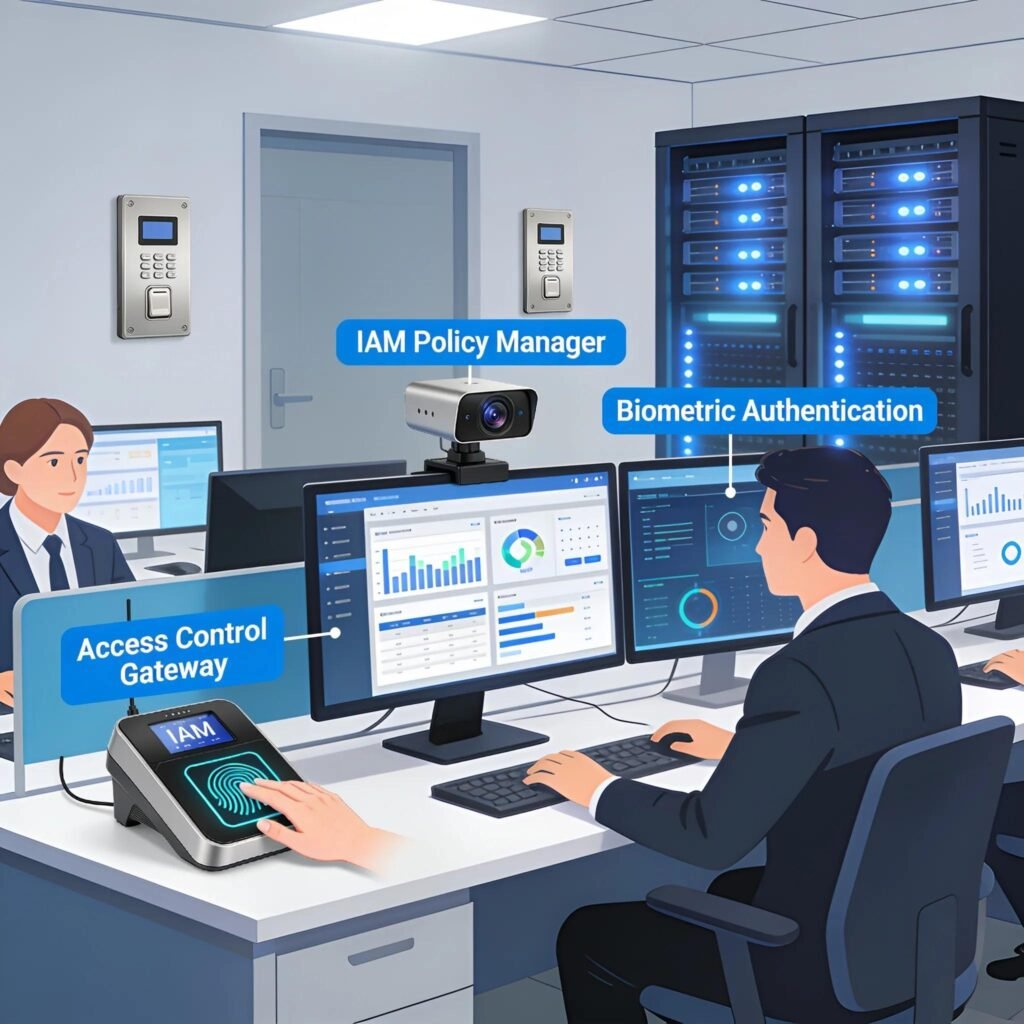
Identity and Access Management (IAM) plays a crucial role in implementing Zero Trust Security by establishing strict access controls. IAM solutions provide industry standards for user authentication, allowing organizations to assign roles, manage passwords, and enforce compliance policies. By utilizing IAM protocols such as multi-factor authentication (MFA) and single sign-on (SSO), organizations can ensure that only authorized users gain access to critical systems. This security layer is essential for maintaining the integrity of the Zero Trust model and enhancing overall security.
How Do Network Threat Detection Tools Enhance Security?
Network threat detection tools are integral to maintaining a secure environment. These tools focus on identifying and mitigating potential threats before they lead to significant security incidents. Leveraging innovative technologies can enhance an organization’s ability to respond to threats in real-time, adding a layer of assurance to the security posture.
Which core techniques and tools are used for threat detection?
Several core techniques and tools are employed in threat detection, including:
- Intrusion Detection Systems (IDS): These systems monitor network traffic for suspicious activity and alert administrators of possible breaches.
- Behavioral Analysis: This technique analyzes user and entity behaviors to identify anomalies that could indicate a security incident.
- Machine Learning Algorithms: Advanced technologies that utilize data patterns to detect irregularities within the network automatically.
These techniques collectively enhance the organization’s defenses against sophisticated cyber threats.
How does threat intelligence integration improve detection accuracy?
Integrating threat intelligence into detection frameworks significantly boosts the accuracy and effectiveness of security operations. This integration allows security teams to leverage real-time updates about emerging threats and vulnerabilities, ensuring that the organization can proactively adjust its defenses. By utilizing contextual threat data, teams can enhance response times to incidents and minimize the potential damage from attacks, ultimately creating a more resilient security posture.
What Are Best Practices for Continuous Network Monitoring?

Continuous network monitoring encompasses various methodologies and technologies that ensure network health and security are consistently managed. This proactive approach is crucial for identifying potential vulnerabilities and responding to incidents promptly.
How do continuous monitoring processes maintain network security posture?
Continuous monitoring employs automated tools that analyze real-time data pertaining to network activities. Some effective processes include:
- Automated Monitoring: Leveraging technology to track network activity continuously without human intervention.
- Reporting Systems: Establishing systems that generate regular reports on network health and security incidents for review.
- Incident Response Protocols: Implementing predefined procedures for addressing detected anomalies helps ensure a swift response to security events.
These components work together to maintain a robust network security posture.
What are real-time alerting methods and their impact on threat response?
Real-time alerting methods are vital for effective incident management. They include:
- Intrusion Alerts: Notifications triggered by system anomalies that indicate potential breaches.
- Behavioral Alerts: Automatic warnings based on deviations from established user or entity behavior.
- System Health Monitoring Alerts: Alerts indicating system performance issues potentially leading to vulnerabilities.
Quick notifications significantly improve threat response by allowing security teams to act rapidly to mitigate potential damage.
Protect Your Business Now
From detection to response, get complete protection with CyberPhore.
Get ProtectedHow to Conduct Comprehensive Cybersecurity Risk Assessment?
Conducting a thorough cybersecurity risk assessment involves several strategic methodologies designed to identify and mitigate potential risks. This process contributes significantly to the organization’s ability to align with Zero Trust principles.
What methodologies are effective for cybersecurity risk assessment?
Key methodologies for cybersecurity risk assessments include:
- Quantitative Assessment: This approach uses numerical data to evaluate risks, allowing for measurable insights into potential vulnerabilities.
- Qualitative Assessment: Offers a descriptive analysis of risks based on judgment and expertise.
- Regular Updates: Continuous assessments ensure that risk profiles are current and reflective of the latest security landscapes.
Employing a combination of these methodologies can provide a comprehensive view of the organization’s security posture.
How to align risk assessment outcomes with Zero Trust implementation?
Aligning risk assessment outcomes with Zero Trust strategies involves analyzing findings and implementing actionable steps based on identified vulnerabilities. Organizations should prioritize:
- Interpreting Findings: Understanding data in the context of organizational risk management goals.
- Actionable Steps: Developing strategies that directly address identified vulnerabilities and streamline access controls.
- Security Strategies Alignment: Ensuring that all findings are integrated into broader security frameworks, allowing improved management of risks.
This alignment not only strengthens defenses but also fosters a culture of security within the organization.
Which Identity And Access Management Strategies Strengthen Zero-Trust Networks?
Implementing robust IAM strategies is pivotal for reinforcing Zero Trust networks. Such strategies ensure the right individuals access the right resources, safeguarding sensitive information effectively.
How does microsegmentation enhance access control in Zero Trust?
Microsegmentation is a tactical model that divides the network into distinct segments to control access more effectively. This approach enhances security by:
- Limiting Lateral Movement: Prevents attackers from moving through the network undetected.
- Tailoring Access Controls: Allows for specific access rules per segment based on the sensitivity of the data involved.
- Improving Visibility: Offers insights into network activities, enhancing oversight and management.
Through microsegmentation, organizations can create secure zones within their networks for sensitive data, aligning closely with Zero Trust philosophies.
What case studies demonstrate IAM success in Zero Trust environments?
Numerous organizations have successfully implemented IAM strategies in Zero Trust frameworks, showcasing tangible results. Notable case studies include:
- Financial Services: A major bank utilized IAM to tighten access controls, resulting in a reduction in unauthorized access incidents.
- Healthcare Sector: A healthcare provider adopted microsegmentation and IAM tools, reporting enhanced compliance with regulatory standards and improved patient data privacy.
- Tech Industry: An IT firm implemented real-time access controls, significantly decreasing the risk of data breaches.
These examples illustrate how IAM can fortify network security, exemplifying the efficacy of a Zero Trust approach.
What Emerging Trends and Technologies Shape Network Security Hub Innovations?
Emerging technologies significantly influence network security innovations, pushing the boundaries of how organizations protect their assets.
How is automation advancing threat detection and monitoring?
Automation is reshaping threat detection and monitoring by enabling faster, more efficient responses to incidents. Automated systems:
- Enhance Efficiency: Reduce the workload on security teams by automating routine monitoring tasks.
- Provide Real-time Insights: Supply continuous threat intelligence, allowing for immediate adjustments to security measures.
- Improve Accuracy: Minimize the chance of human error in threat detection processes.
This advancement allows organizations to stay ahead of potential attacks, reinforcing their overall security strategies.
What market trends for 2025-2026 influence Zero Trust adoption?
Several market trends are anticipated to impact Zero Trust adoption in the coming years. Key trends include:
- Increased Cyber Threats: A rise in sophisticated cyber-attacks is driving organizations to adopt Zero Trust frameworks for strengthened defenses.
- Regulatory Compliance: Evolving regulations require stricter security measures, positioning Zero Trust as an effective compliance strategy.
- Cloud Integration: As more businesses migrate to cloud services, integrating Zero Trust principles into cloud security strategies will become critical.
These trends highlight the need for organizations to adapt their security postures to meet future challenges effectively.
Ready to Get Started?
Talk to CyberPhore's team. We'll assess your needs and design a custom solution.
Free Security Assessment
Sarah Mitchell
Senior Cybersecurity Analyst
Certified cybersecurity professional with 8+ years in threat analysis, incident response, and security architecture. Specializes in cloud security, compliance, and digital risk management. Passionate about protecting businesses from evolving threats.