
5G Network Security: 5G networks transform telecommunications landscape with unprecedented speeds, ultra-low latency, massive device connectivity, and network slicing capabilities enabling diverse use cases from autonomous vehicles to industrial IoT. However, 5G's complexity,virtualization, expanded attack surface, and critical infrastructure role introduce significant security challenges spanning supply chain risks, network slicing isolation, edge computing vulnerabilities, and massive IoT device management. As organizations deploy 5G for mission-critical applications, understanding unique 5G security threats and implementing comprehensive protective measures becomes essential for maintaining confidentiality, integrity, and availability of next-generation mobile networks.
Need Expert Cybersecurity Help?
Get expert guidance from CyberPhore. We design, deploy, and manage comprehensive cybersecurity programs with measurable outcomes.
Book a Free ConsultationIntroduction
This comprehensive guide explores 5G network security from architecture fundamentals through implementation best practices. Whether you're deploying private 5G networks, securing 5G-connected devices, or managing 5G infrastructure, understanding 5G security architecture, network slicing protection, edge security, and IoT device management enables you to leverage 5G's transformative capabilities while protecting against emerging threats targeting next-generation mobile communications that will underpin critical infrastructure, industrial operations, and digital transformation initiatives throughout the coming decade.
Table of Contents
5G Architecture & Components

Understanding 5G architecture establishes foundation for securing next-generation mobile networks.
5G vs Previous Generations
- Speed: Up to 10 Gbps (vs 1 Gbps 4G)
- Latency: < 1ms (vs 30-50ms 4G)
- Capacity: 1 million devices/km² (vs 100k 4G)
- Architecture: Software-defined, virtualized (vs hardware-based)
- Network Slicing: Virtual networks for different use cases
- Edge Computing: Processing at network edge
5G Core Components
- Radio Access Network (RAN): Base stations, antennas
- 5G Core (5GC): Control and user plane functions
- Network Functions: AMF, SMF, UPF, AUSF, UDM (virtualized)
- Multi-Access Edge Computing (MEC): Local processing
- Network Slicing: Logical network partitions
- Service-Based Architecture: Microservices approach
5G Security Enhancements Over 4G
- Enhanced encryption (256-bit vs 128-bit)
- Improved authentication (5G-AKA protocol)
- SUPI concealment (subscriber privacy)
- Network slice isolation
- Unified authentication framework
- Security edge protection proxy
For 5G security standards, visit NIST's 5G Cybersecurity program.
5G Network Security Services
CyberPhore provides comprehensive 5G security services including architecture review, network slicing security, edge computing protection, and 5G security assessment to protect your next-generation mobile infrastructure.
Secure Your 5G Network5G Threat Landscape
5G introduces new attack vectors while inheriting threats from previous generations.
5G-Specific Threats
- Network Slice Attacks: Cross-slice interference, isolation breaches
- Virtualization Vulnerabilities: Hypervisor exploits, container escapes
- Edge Computing Attacks: Compromised edge nodes
- Signaling Attacks: Exploiting network function APIs
- Supply Chain Risks: Compromised equipment, firmware backdoors
- Massive IoT Attacks: Botnet scale exploitation
Inherited Threats from 4G/LTE
- IMSI catching (partially mitigated in 5G)
- Denial of service attacks
- Man-in-the-middle attacks
- Eavesdropping attempts
- Location tracking
- Billing fraud
Attack Vectors
- Radio Interface: Jamming, spoofing, interception
- Core Network: Signaling exploits, function compromise
- Edge Layer: Edge server attacks, data exfiltration
- Management Plane: Orchestration system compromise
- User Equipment: Malware, device compromise
- Roaming: Inter-operator security gaps
Network Slicing Security

Network slicing enables multiple virtual networks on shared infrastructure, requiring robust isolation.
Network Slicing Concept
- Definition: Logical networks tailored for specific use cases
- Examples: Enhanced mobile broadband (eMBB), ultra-reliable low-latency (URLLC), massive IoT (mIoT)
- Isolation: Slices share infrastructure but remain independent
- Customization: Different QoS, security, and performance per slice
Slice Security Challenges
- Isolation Breaches: Cross-slice interference or attacks
- Resource Competition: DoS through resource exhaustion
- Shared Infrastructure: Vulnerabilities affecting multiple slices
- Dynamic Scaling: Security in slice lifecycle management
- Multi-Tenancy: Tenant data protection
Slice Security Controls
- Strong isolation (compute, network, storage)
- Separate authentication per slice
- Slice-specific security policies
- Resource quotas and monitoring
- Inter-slice firewall rules
- Slice lifecycle security automation
- Audit logging for all slices
- Encryption between slice components
Critical Infrastructure Slices
- Emergency Services: Highest priority, maximum reliability
- Industrial Control: Ultra-low latency, high security
- Healthcare: Privacy protection, reliability
- Public Safety: Dedicated resources, encryption
- Security Requirements: Stricter controls for critical slices
Edge Computing Security
Multi-Access Edge Computing (MEC) brings processing closer to users, introducing new security considerations.
Edge Computing Benefits and Risks
- Benefits: Low latency, bandwidth reduction, localized processing
- Risks: Distributed attack surface, physical security challenges, limited security resources
- Use Cases: AR/VR, autonomous vehicles, smart cities, industrial automation
Edge Security Threats
- Physical tampering of edge nodes
- Malicious edge applications
- Data interception at edge
- Resource exhaustion attacks
- Lateral movement from compromised edge
- Edge-to-core attack pivot
Edge Security Measures
- Physical Security: Secure edge node deployment locations
- Access Control: Strong authentication, least privilege
- Encryption: Data at rest and in transit
- Application Isolation: Containerization, sandboxing
- Monitoring: Edge security event collection
- Updates: Secure edge software patching
- Zero Trust: Don't trust edge implicitly
Learn about CyberPhore's Edge Computing Security.
5G IoT Security
5G enables massive IoT deployments, requiring scalable security for millions of devices.
5G IoT Scale Challenge
- Millions of devices per cell
- Diverse device capabilities (constrained to powerful)
- Long device lifecycles
- Automatic device onboarding
- Varied security requirements
IoT Security Threats
- Massive botnet attacks (Mirai-style at scale)
- Device impersonation
- Firmware vulnerabilities
- Insecure default credentials
- Data privacy violations
- Physical device tampering
5G IoT Security Features
- Lightweight Authentication: Efficient for constrained devices
- Group-Based Security: Managing devices in groups
- Network Slicing: Isolated IoT slices
- Device Identity: Unique device credentials
- Remote Management: OTA updates, remote attestation
IoT Device Management
- Provisioning: Secure device onboarding, unique identities
- Authentication: Certificate-based, SIM-based authentication
- Authorization: Device access control policies
- Monitoring: Device behavior analytics
- Updates: Secure OTA firmware updates
- Decommissioning: Secure device retirement
5G Authentication & Encryption
5G improves authentication and encryption over previous generations.
5G Authentication (5G-AKA)
- Enhanced Protocol: Improved over 4G AKA
- SUPI Concealment: Protects subscriber identity (vs IMSI exposure)
- Home Network Authentication: Prevents fake base station attacks
- Unified Framework: Consistent authentication across access types
5G Encryption
- 256-bit Encryption: Stronger than 4G's 128-bit
- Algorithm Suite: 5G Encryption Algorithms (NEA, NIA)
- User Plane Protection: Encrypted user data
- Control Plane Protection: Encrypted signaling
- Backhaul Encryption: Encrypted transport
Key Management
- Hierarchical key derivation
- Key separation per service
- Key rotation policies
- Secure key storage (SIM, eSIM)
- Key provisioning automation
Protect Your Business Now
From detection to response, get complete protection with CyberPhore.
Get Protected5G Supply Chain Security
5G supply chain risks require careful vendor evaluation and security controls.
Supply Chain Threats
- Malicious Components: Hardware or firmware backdoors
- Vulnerable Equipment: Unpatched or poorly designed products
- Vendor Dependencies: Lock-in to potentially risky suppliers
- Software Vulnerabilities: Bugs in network function implementations
- Counterfeit Equipment: Fake components in supply chain
Vendor Assessment
- Security track record and incident history
- Security development practices
- Vulnerability disclosure and patching
- Third-party security audits
- Supply chain transparency
- Geographic and geopolitical considerations
Risk Mitigation Strategies
- Vendor Diversity: Multiple suppliers, avoid single dependencies
- Open Standards: Interoperable equipment
- Security Testing: Independent evaluation of equipment
- Monitoring: Runtime anomaly detection
- Segmentation: Limit blast radius of compromise
- Contractual Protections: Security requirements in contracts
For supply chain security guidance, review CISA's 5G Security resources.
5G Security Assessment & Implementation
CyberPhore delivers comprehensive 5G security services including architecture review, supply chain assessment, network slicing security, edge protection, and secure 5G deployment consulting for enterprise and telecom networks.
Secure Your 5G DeploymentPrivate 5G Network Security
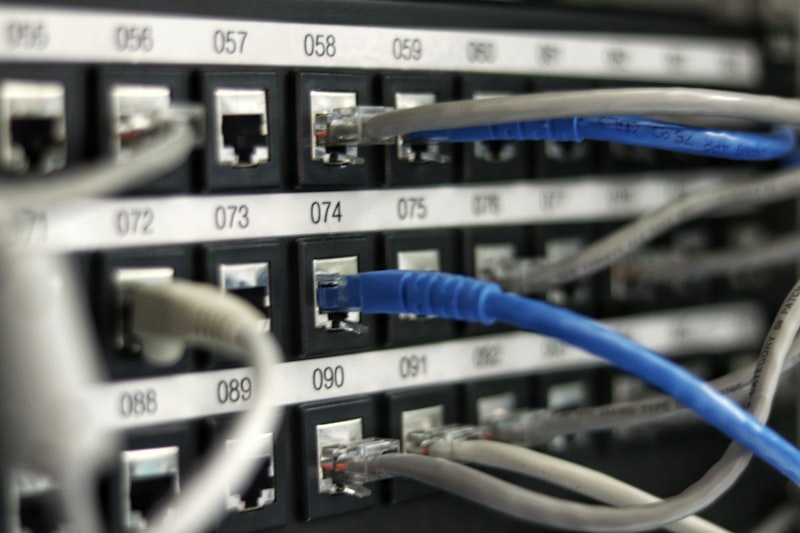
Private 5G networks offer organizations dedicated infrastructure with unique security considerations.
Private 5G Benefits
- Control: Full network ownership and management
- Security: Isolated from public networks
- Customization: Tailored to specific requirements
- Performance: Guaranteed bandwidth and latency
- Use Cases: Manufacturing, healthcare, smart campuses
Private 5G Security Advantages
- Complete control over security policies
- Isolated from public network threats
- Custom authentication mechanisms
- On-premise data processing (no cloud exposure)
- Integrated with enterprise security (SIEM, IAM)
Private 5G Security Challenges
- Implementation Complexity: Requires expertise to secure properly
- Operational Burden: Organization responsible for security
- Update Management: Must patch and maintain infrastructure
- Limited Resources: Smaller security teams vs. carriers
- Integration: Connecting to public networks securely
Private 5G Security Checklist
- ☐ Network architecture security review
- ☐ Segmentation from corporate network
- ☐ Strong authentication for all users/devices
- ☐ Encryption for all communications
- ☐ Secure management interfaces
- ☐ Security monitoring and logging
- ☐ Incident response procedures
- ☐ Regular security assessments
- ☐ Vendor security requirements
- ☐ Physical security of equipment
Common 5G Vulnerabilities
Understanding common 5G vulnerabilities enables proactive defense.
Implementation Vulnerabilities
- Misconfigured network functions
- Weak authentication settings
- Insecure API exposure
- Insufficient logging
- Unpatched software
- Default credentials
Protocol Vulnerabilities
- Diameter Signaling: Protocol attacks (inherited from 4G)
- HTTP/2: Web vulnerabilities in service-based architecture
- IPsec: VPN misconfigurations
- DNS: DNS-based attacks on network functions
Virtualization Vulnerabilities
- Hypervisor exploits
- Container escapes
- Orchestration platform vulnerabilities
- VM/container misconfigurations
- Resource isolation failures
Best Practices
Comprehensive security practices protect 5G networks across all layers.
Architecture Security
- Zero trust architecture principles
- Network segmentation (slices, zones)
- Defense in depth
- Security by design
- Least privilege access
Operational Security
- Continuous monitoring and threat detection
- Security automation and orchestration
- Regular security assessments
- Incident response planning
- Security training for staff
- Vendor security management
Compliance and Standards
- 3GPP Security Specifications: TS 33.501 (5G security architecture)
- NIST Guidelines: SP 800-187 (LTE/5G security)
- GSMA: Network Equipment Security Assurance Scheme (NESAS)
- Industry Standards: Sector-specific requirements (e.g., healthcare, finance)
Secure 5G Use Cases
Different 5G use cases have unique security requirements.
Industrial IoT & Smart Manufacturing
- Requirements: Ultra-reliable, low-latency, secure control
- Security: Isolated network slice, strong authentication, encrypted communications
- Threats: Industrial espionage, sabotage, safety-critical system compromise
Autonomous Vehicles
- Requirements: Ultra-low latency, high reliability, real-time data
- Security: Secure V2X communications, tamper-resistant devices, integrity protection
- Threats: Remote vehicle control, sensor spoofing, safety system manipulation
Smart Cities
- Requirements: Massive device connectivity, diverse applications
- Security: Device authentication, data privacy, secure updates
- Threats: Infrastructure disruption, surveillance, data breaches
Healthcare
- Requirements: Reliability, data privacy, regulatory compliance
- Security: HIPAA compliance, encrypted communications, access control
- Threats: Patient data breaches, medical device manipulation, privacy violations
Frequently Asked Questions
Conclusion
5G networks represent transformative telecommunications technology enabling unprecedented connectivity, speed, and capabilities that will underpin next decade's digital transformation across industries. However, 5G's complexity, virtualization, expanded attack surface, and critical infrastructure role demand comprehensive security approach extending beyond traditional mobile network security. Organizations deploying 5G—whether public network services, private enterprise networks, or 5G-enabled applications—must address unique security challenges spanning network slicing isolation, edge computing protection, massive IoT management, supply chain risks, and virtualization security that distinguish 5G from previous mobile generations.
Effective 5G security requires defense-in-depth strategy combining enhanced 5G security features (improved encryption, better authentication, subscriber privacy protection) with additional organizational controls addressing implementation risks, operational security, and use-case-specific requirements. Network slicing security, zero trust architecture, continuous monitoring, automated security orchestration, and secure development practices create resilient 5G infrastructure resistant to emerging threats. Organizations that invest in 5G security expertise, implement comprehensive security architectures, maintain operational vigilance, and adapt to evolving threat landscape position themselves to leverage 5G's transformative capabilities while protecting critical assets and operations.
Supply chain security represents particularly critical 5G concern as network infrastructure dependencies on equipment vendors, software suppliers, and service providers create cascading risks. Vendor diversity, security testing, runtime monitoring, contractual protections, and following government security guidance mitigate supply chain risks while balancing practical deployment realities. Private 5G deployments offer organizations greater security control but require expertise and resources for proper implementation and ongoing security management. Regardless of deployment model, organizations must take active role in 5G security rather than assuming technology inherently protects against threats.
As 5G deployment accelerates and increasingly critical applications depend on next-generation mobile networks—autonomous vehicles, industrial automation, smart cities, telemedicine, emergency services—security stakes intensify dramatically. Organizations that prioritize 5G security from architecture design through deployment and operation, implement industry best practices, maintain security-skilled teams, and foster continuous security improvement cultures protect themselves from emerging 5G threats while enabling secure digital transformation. Those who treat 5G as simple connectivity upgrade without addressing unique security challenges will find themselves vulnerable to new attack vectors and potentially catastrophic compromises affecting mission-critical systems depending on 5G's speed, scale, and connectivity capabilities that transform telecommunications landscape throughout coming decade.
Complete 5G Security Solutions
CyberPhore delivers end-to-end 5G security services including architecture design, network slicing security, edge computing protection, IoT security management, supply chain assessment, and secure 5G deployment for enterprise and telecommunications networks.
Secure Your 5G Infrastructure TodayReady to Get Started?
Talk to CyberPhore's team. We'll assess your needs and design a custom solution.
Free Security Assessment