
The Internet of Things has transformed our world, connecting billions of devices from smart home appliances to industrial sensors and medical equipment. However, this connectivity introduces significant security challenges, as many IoT devices lack robust security features and become easy targets for attackers. IoT security breaches can lead to privacy violations, data theft, botnet recruitment, and even physical harm in critical infrastructure scenarios.
Need Expert Cybersecurity Help?
Get expert guidance from CyberPhore. We design, deploy, and manage comprehensive cybersecurity programs with measurable outcomes.
Book a Free ConsultationIoT Device Security:
This comprehensive guide explores IoT device security from fundamental principles to advanced protection strategies. Whether you're a consumer securing smart home devices, an IT professional managing enterprise IoT deployments, or a manufacturer building IoT products, understanding and implementing proper IoT security is essential for protecting devices, networks, and data in an increasingly connected world.
Table of Contents
- Introduction
- IoT Threat Landscape
- Common IoT Vulnerabilities
- Secure by Design Principles
- IoT Authentication Methods
- Encryption and Data Protection
- Network Security for IoT
- Firmware Security and Updates
- Securing Consumer IoT Devices
- Industrial IoT Security
- Medical IoT Device Security
- IoT Security Best Practices
- Frequently Asked Questions
- Conclusion
IoT Threat Landscape
For IoT security guidance, visit NIST IoT Cybersecurity Program.
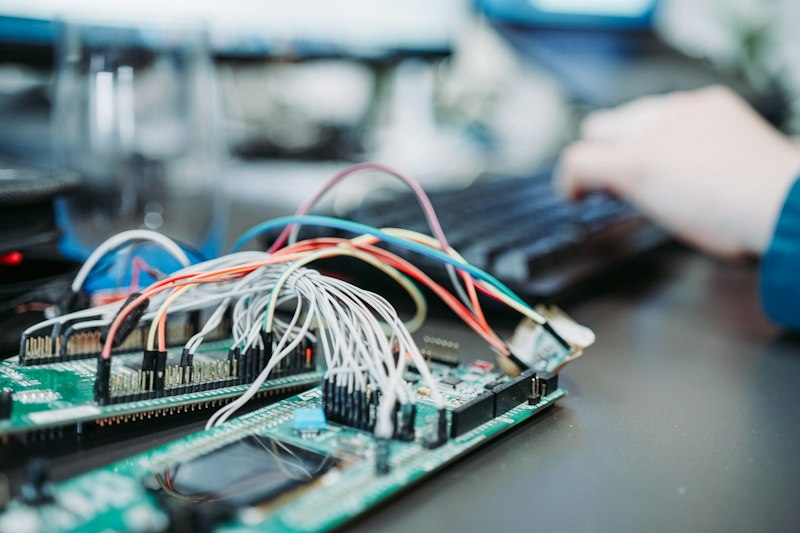
IoT devices face unique security challenges stemming from constrained resources, diverse protocols, long deployment lifecycles, and often inadequate security implementations. Understanding the threat landscape helps prioritize security measures and allocate resources effectively.
Major IoT Security Threats
- Botnet Recruitment: Compromised devices recruited into massive botnets for DDoS attacks
- Data Breaches: Unauthorized access to sensitive data collected by IoT devices
- Privacy Violations: Unauthorized surveillance through compromised cameras and microphones
- Physical Security Risks: Manipulation of smart locks, industrial controls, or medical devices
- Network Infiltration: IoT devices used as entry points to broader networks
- Denial of Service: Rendering devices inoperable through attacks
- Firmware Manipulation: Installing malicious firmware to control device behavior
Notable IoT Security Incidents
History demonstrates the severity of IoT security failures:
- Mirai Botnet (2016): Infected hundreds of thousands of IoT devices to launch massive DDoS attacks
- Target Breach (2013): Attackers entered through compromised HVAC system
- Casino Fish Tank (2017): Hackers accessed casino network through smart aquarium thermometer
- Ring Camera Hacks: Multiple incidents of unauthorized access to home security cameras
Common IoT Vulnerabilities
IoT devices frequently suffer from predictable security weaknesses stemming from rushed development, cost constraints, and inadequate security expertise.
OWASP IoT Top 10 Vulnerabilities
- Weak, Guessable, or Hardcoded Passwords: Default credentials never changed
- Insecure Network Services: Unnecessary services exposing attack surfaces
- Insecure Ecosystem Interfaces: Vulnerable web, backend API, cloud, or mobile interfaces
- Lack of Secure Update Mechanism: No ability to securely update firmware
- Use of Insecure or Outdated Components: Vulnerable libraries and software
- Insufficient Privacy Protection: Improper handling of personal data
- Insecure Data Transfer and Storage: Unencrypted sensitive data
- Lack of Device Management: No asset management or security monitoring
- Insecure Default Settings: Devices shipped in insecure configurations
- Lack of Physical Hardening: Devices vulnerable to physical tampering

Resource Constraints
Many IoT devices operate with limited processing power, memory, and battery life, complicating security implementation:
- Insufficient resources for robust encryption
- Limited ability to run security software
- Constraints on update frequency due to battery concerns
- Simplified protocols vulnerable to attacks
Secure Your IoT Infrastructure
CyberPhore provides comprehensive IoT security assessments, implementation guidance, and ongoing monitoring to protect your connected devices and infrastructure.
Request IoT Security AssessmentSecure by Design Principles
Building security into IoT devices from the beginning prevents vulnerabilities that are difficult or impossible to fix after deployment.
Security-First Development
- Threat Modeling: Identify potential threats during design phase
- Minimal Attack Surface: Disable unnecessary features and services
- Secure Boot: Ensure only authorized firmware executes
- Hardware Security: Utilize secure elements and TPMs when possible
- Defense in Depth: Layer multiple security controls
- Privacy by Design: Minimize data collection and implement privacy protections
Security Requirements
Establish security requirements early in development:
- Strong authentication mechanisms
- Encrypted communications and storage
- Secure update capabilities
- Security logging and monitoring
- Physical tamper resistance
- Secure decommissioning procedures
IoT Authentication Methods
Proper authentication prevents unauthorized access to IoT devices and their data. IoT authentication must balance security with resource constraints and usability.
Certificate-Based Authentication
Digital certificates provide strong authentication for device-to-device and device-to-cloud communications:
import paho.mqtt.client as mqtt
import ssl
client = mqtt.Client()
# Configure TLS with client certificates
client.tls_set(
ca_certs="ca.crt",
certfile="device.crt",
keyfile="device.key",
tls_version=ssl.PROTOCOL_TLSv1_2
)
client.connect("mqtt.example.com", 8883, 60)
Token-Based Authentication
JWT tokens and API keys provide lightweight authentication suitable for resource-constrained devices:
- Use short-lived tokens with refresh mechanisms
- Store tokens securely in device secure storage
- Implement token revocation capabilities
- Use strong random token generation
Device Identity Management
Implement robust device identity:
- Unique device identifiers (not MAC addresses)
- Secure device provisioning procedures
- Device registry and inventory management
- Identity verification for device-to-device communication
Encryption and Data Protection
Encryption protects sensitive IoT data in transit and at rest, preventing eavesdropping and data theft even if communications are intercepted.
Communication Encryption
- TLS/DTLS: Encrypt TCP and UDP communications
- MQTT over TLS: Secure MQTT messaging protocol
- CoAP with DTLS: Lightweight protocol with encryption
- End-to-End Encryption: Encrypt data from source to destination
Data Storage Encryption
Encrypt sensitive data stored on IoT devices:
- Use hardware-backed encryption when available
- Implement secure key storage (TEE, secure element)
- Encrypt configuration files and credentials
- Protect firmware images with encryption
Lightweight Cryptography
Resource-constrained devices benefit from lightweight cryptographic algorithms optimized for IoT:
- ChaCha20-Poly1305 for authenticated encryption
- Ed25519 for digital signatures
- Curve25519 for key exchange
- BLAKE2 for hashing
Network Security for IoT
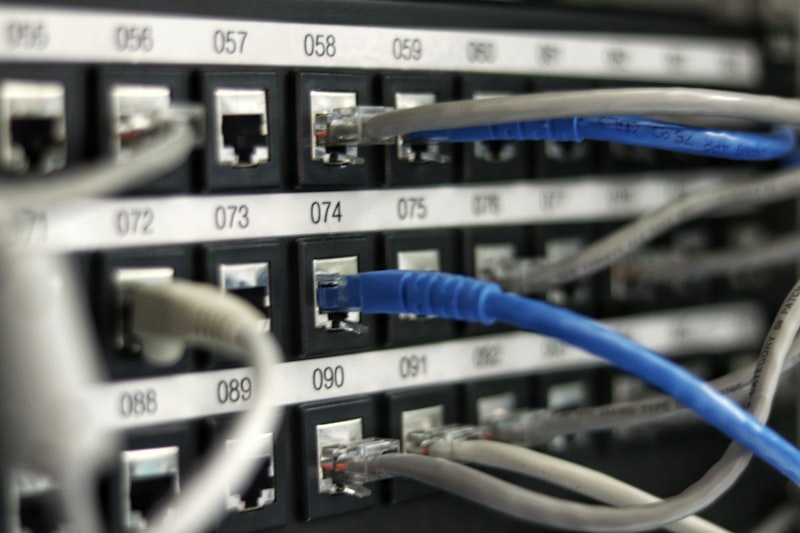
Network security isolates IoT devices, prevents lateral movement, and protects against network-based attacks.
Network Segmentation
Isolate IoT devices on separate network segments:
- Create dedicated IoT VLANs
- Implement strict firewall rules between segments
- Prevent IoT devices from initiating connections to corporate networks
- Use network access control (NAC) for device authentication
- Monitor IoT traffic for anomalies
Secure Protocols
Use secure communication protocols designed for IoT:
- MQTT with TLS: Lightweight messaging with encryption
- CoAP with DTLS: Constrained Application Protocol with security
- HTTPS: Standard web protocols for capable devices
- IPsec: Network-layer security for IP communications
Firewall Configuration
- Default deny all traffic
- Whitelist only required communications
- Block outbound traffic except necessary cloud connections
- Prevent peer-to-peer IoT communications unless required
- Monitor and log all firewall events
Protect Your Business Now
From detection to response, get complete protection with CyberPhore.
Get ProtectedFirmware Security and Updates
Firmware represents the foundational software controlling IoT devices. Securing firmware and enabling secure updates is critical for long-term device security.
Secure Boot
Secure boot ensures only authenticated firmware executes on devices:
- Verify firmware signatures using cryptographic keys
- Establish chain of trust from bootloader through OS
- Use hardware root of trust when available
- Prevent downgrades to vulnerable firmware versions
Secure Update Mechanisms
Implement robust firmware update capabilities:
- Signed Updates: Cryptographically sign all firmware updates
- Encrypted Distribution: Encrypt firmware during transmission
- Rollback Protection: Prevent installation of older vulnerable versions
- Atomic Updates: Ensure updates complete fully or roll back
- Automatic Updates: Enable automatic security updates when possible
import hashlib
from cryptography.hazmat.primitives import hashes
from cryptography.hazmat.primitives.asymmetric import padding
from cryptography.hazmat.primitives.asymmetric import rsa
def verify_firmware_signature(firmware_data, signature, public_key):
try:
public_key.verify(
signature,
firmware_data,
padding.PSS(
mgf=padding.MGF1(hashes.SHA256()),
salt_length=padding.PSS.MAX_LENGTH
),
hashes.SHA256()
)
return True
except:
return False
IoT Security Implementation
CyberPhore helps organizations design, implement, and maintain secure IoT infrastructures with expert guidance on device security, network architecture, and compliance.
Protect Your IoT DevicesSecuring Consumer IoT Devices
Consumer IoT devices like smart home products require user-friendly security that doesn't compromise protection.
Smart Home Security
- Change default passwords immediately
- Enable two-factor authentication when available
- Keep firmware updated
- Use strong WiFi encryption (WPA3)
- Create guest networks for IoT devices
- Disable unnecessary features and services
- Review privacy settings and data sharing
Router Configuration
Secure your network router to protect all connected devices:
- Change default admin credentials
- Update router firmware regularly
- Enable WPA3 encryption
- Disable WPS and UPnP
- Use strong WiFi passwords
- Enable router firewall
- Disable remote administration
Industrial IoT Security

Industrial IoT (IIoT) security protects critical infrastructure, manufacturing systems, and operational technology from cyber threats that could cause physical damage or operational disruption.
IIoT Security Requirements
- Safety First: Prioritize physical safety over convenience
- Operational Continuity: Balance security with uptime requirements
- Legacy System Integration: Secure older equipment lacking modern security
- Real-Time Constraints: Security that doesn't impair time-critical operations
- Compliance: Meet industry-specific regulations (IEC 62443, NERC CIP)
OT/IT Convergence Security
Secure the convergence of operational technology and information technology:
- Air-gap critical systems when possible
- Implement industrial firewalls and DMZs
- Use unidirectional security gateways
- Monitor OT networks for anomalies
- Control vendor remote access strictly
Medical IoT Device Security
Medical IoT devices present unique security challenges where vulnerabilities could literally threaten lives while regulations add complexity.
Medical Device Security Challenges
- Long device lifecycles (10-30 years)
- Inability to patch without recertification
- Legacy protocols and systems
- Privacy regulations (HIPAA, GDPR)
- Safety vs. security tradeoffs
- Diverse manufacturer approaches
Healthcare IoT Protection
- Inventory all medical devices
- Segment medical device networks
- Monitor device communications
- Implement compensating controls for unpatchable devices
- Vendor security assessment procedures
- Incident response plans for medical device compromises
IoT Security Best Practices
Comprehensive IoT security combines technical controls, processes, and policies across the entire device lifecycle.
Manufacturers and Developers
- Build security into design from the beginning
- Eliminate hardcoded credentials
- Implement secure update mechanisms
- Provide security documentation
- Support devices throughout lifecycle
- Follow secure development lifecycle practices
- Conduct security testing before release
- Establish vulnerability disclosure programs
Organizations and Enterprises
- Maintain IoT device inventory
- Segment IoT networks
- Implement strong authentication
- Monitor IoT traffic and behavior
- Establish device lifecycle management
- Create IoT security policies
- Train staff on IoT security
- Regular security assessments
Consumers
- Research device security before purchase
- Change default passwords immediately
- Enable automatic updates
- Use strong WiFi security
- Review privacy settings
- Disable unused features
- Decommission devices securely
Frequently Asked Questions
Conclusion
IoT device security represents one of the most challenging aspects of modern cybersecurity, combining traditional security concerns with unique constraints of resource-limited, physically distributed devices operating in diverse environments. From consumer smart home products to industrial control systems and medical devices, IoT security failures can result in privacy violations, data breaches, physical harm, and disruption of critical services.
The explosive growth of IoT deployments—projected to reach tens of billions of devices—makes IoT security increasingly critical. Organizations and individuals that prioritize IoT security throughout device lifecycles, from secure design and development through deployment, management, and decommissioning, significantly reduce their risk exposure.
Effective IoT security requires collaboration among manufacturers, service providers, organizations, and end users. Manufacturers must build security into products from inception, organizations must implement comprehensive IoT security programs, and users must practice good security hygiene. Emerging standards, regulations, and security frameworks continue evolving to address IoT security challenges.
As IoT devices become increasingly integrated into critical infrastructure, healthcare, transportation, and daily life, IoT security transitions from optional enhancement to fundamental requirement. Organizations and individuals that embrace proactive IoT security position themselves to benefit from IoT innovation while managing its inherent risks effectively.
Comprehensive IoT Security Solutions
CyberPhore delivers end-to-end IoT security services including device security assessment, network architecture design, security implementation, compliance guidance, and ongoing monitoring. Protect your IoT infrastructure with expert security expertise.
View Our Security ServicesNot sure which service fits your needs? Schedule a free consultation to get personalized security recommendations.
Ready to Get Started?
Talk to CyberPhore's team. We'll assess your needs and design a custom solution.
Free Security Assessment