Cybersecurity Canada jobs are everywhere, but not evenly. Most openings cluster in a few provinces, a few employer groups, and a handful of role families, which means you can save yourself a lot of guesswork by knowing where the market actually lives. If you want a clear path instead of endless scrolling, this guide gives you the map.
Table of Contents
- What you’ll learn
- Why Cybersecurity Jobs in Canada Are a Real Career Path Right Now
- The Main Cybersecurity Job Families You’ll See
- Who Is Hiring in Canada
- How to Get Into Cybersecurity Without Starting From Zero
- How Much Cybersecurity Jobs Pay in Canada
- How to Search Smarter and Actually Get Interviews
- A Simple Plan for Your First 90 Days
- Frequently Asked Questions
- The Best Move Is to Narrow Your Search
Need Expert Cybersecurity Help?
Get expert guidance from CyberPhore. We design, deploy, and manage comprehensive cybersecurity programs with measurable outcomes.
Book a Free ConsultationWhat you’ll learn
- Where cybersecurity hiring is strongest in Canada
- Which job families show up most often
- Who is hiring, from government to telecom
- How to break in without a perfect background
- What pay looks like across provinces
- How to search smarter and land better interviews
Why Cybersecurity Jobs in Canada Are a Real Career Path Right Now
Cybersecurity in Canada is not a niche side path anymore. The market is active, but it is also concentrated, which is why a random search can feel weirdly empty until you look in the right places. A sustained hiring market with 2,448 unique postings from March 2025 through February 2026 tells you the demand is real, even if it is uneven.
Cybersecurity jobs are about protecting systems, data, and people. In practice, that means watching for suspicious activity, fixing weak spots before an attacker finds them, helping teams recover after an incident, and making sure policies and controls actually work on a Tuesday afternoon, not just on paper.
What “Cybersecurity” Actually Means in Day-to-Day Work
A lot of people picture hacking scenes from movies. Real work looks more like alert triage, patching a risky system, checking logs at 8:30 a.m., or helping a finance team lock down access after a vendor issue. It is part detective work, part troubleshooting, part prevention.
That mix matters because employers do not only need technical breakers and makers. They also need people who can explain risk, handle detail-heavy tasks, and keep calm when something breaks. That is why cyber work pulls in analysts, engineers, privacy specialists, and risk people, not just pentesters.
Where the Jobs Are Hiding
Ontario is the big one. In the most recent Canadian posting analysis, Ontario accounted for 1,395 postings, or 57 percent of the total, and Toronto alone made up about a third of national demand. British Columbia and Québec are the next places to watch, which lines up with the wider province spread seen across 2025 postings.
The catch is that jobs are not only in “cyber companies.” You will find openings in government, telecom, finance, defense, education, staffing firms, and large enterprises with serious security needs. If you start with those employer groups instead of a generic search, your odds improve fast.
The Main Cybersecurity Job Families You’ll See
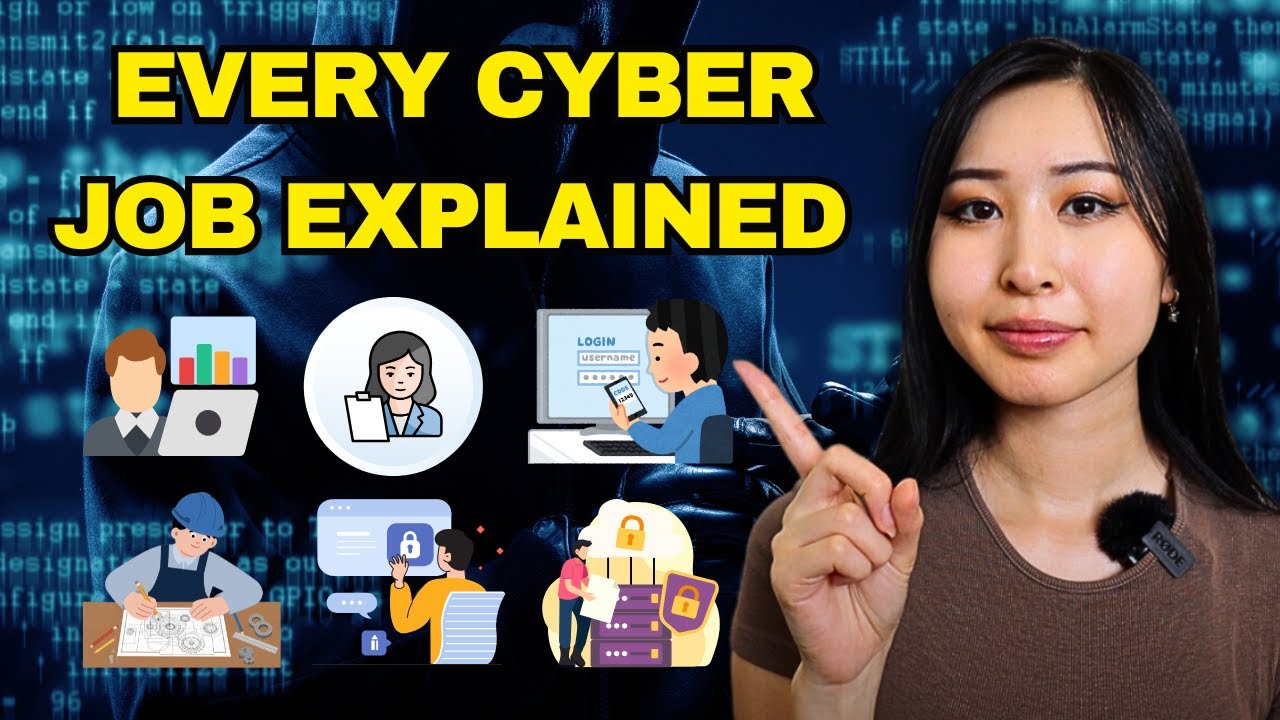
The easiest way to understand cybersecurity Canada jobs is to stop thinking in one giant category. Most postings fall into a few job families, and once you know those families, the titles stop looking random.
Security Analyst and SOC Roles
Security analyst and SOC roles are the front line. You monitor alerts, review suspicious activity, sort out false positives, and escalate the real problems. In plain English, you are the person who notices when something looks off and helps figure out whether it matters.
These jobs are often the most practical entry point because they teach you how security actually works under pressure. If you want hands-on experience fast, SOC work is a smart place to start.
Security Engineer and Infrastructure Roles
Security engineers build safer systems instead of just reacting to problems. You harden networks, improve controls, reduce attack surface, and help design environments that are harder to break in the first place. Think of it like reinforcing the doors and windows instead of only installing better alarms.
Canadian demand has also started to tilt toward systems engineering, which makes sense. Organizations want resilient architecture, secure systems design, and people who understand how infrastructure, DevOps, and security fit together.
Cloud Security and DevSecOps
Cloud security is hot because so much of Canadian business now runs in AWS, Azure, or hybrid setups. Employers want people who can protect cloud environments, spot misconfigurations, and understand identity and access controls without slowing the whole company down.
DevSecOps means security is built into development and operations from the start. If that sounds abstract, think of it as adding guardrails during the build, not after the car is already on the road. Cloud security certifications keep showing up in postings, which is a good clue that this lane is worth learning.
Privacy, Risk, and Compliance
Not every cyber job is deeply technical. Privacy analysts, risk professionals, and compliance specialists help companies follow the rules, document controls, and reduce the chance of costly mistakes. These roles matter because a company can be technically strong and still fail badly on governance.
In Canada, that mix is especially relevant. Data protection, audit readiness, and privacy obligations are not optional side notes. They are part of the job.
Incident Response and Cyber Intelligence
Incident response is what happens when the bad day arrives. A breach, ransomware event, or serious compromise turns into a fast-moving problem, and these teams work to contain it, investigate it, and clean up the mess. Some roles also sit inside 24/7 monitoring centers, where response work never really sleeps.
That is a demanding lane, but it can be a strong career accelerator. You see more, learn faster, and get exposed to how real organizations handle pressure.
Who Is Hiring in Canada
The Canadian market has a few big hiring engines, and knowing them saves time. Most of the volume comes from employers with scale, security maturity, or both.
Federal Government and Public Sector Options
The federal side is a serious cyber employer. Public Safety Canada, CSIS, CSE, the RCMP, Shared Services Canada, and the Canada Revenue Agency all show up in the broader cyber ecosystem, and the government has been clear that cyber talent is needed across government.
The good news for beginners is that not every public-sector cyber role needs a pure technical background. Policy, research, data analysis, and law enforcement backgrounds can all translate. If you are starting from scratch, student and internship routes also give you a real doorway in.
Private-Sector Employers
Private-sector hiring is led by telecom, finance, defense, technology vendors, and other large employers with enough scale to need dedicated security teams. In the 2025 Canadian hiring data, the top employers included Lockheed Martin, Telus, Palo Alto Networks, and Fortinet.
A few live postings make the pattern obvious. You will see cyber security analysts in schools, security managers in aerospace, infrastructure and security managers in operations-heavy businesses, and specialized roles in cloud or OT security. The point is simple: cyber work exists in almost every serious industry now, not just in software.
Staffing Firms and Contract Roles
Staffing firms matter more than many job seekers expect. They often fill contract roles, backfill urgent openings, or help large employers hire faster. That can be a useful doorway if you need your first title, first project, or first Canadian security reference.
Contract work is not a consolation prize. Sometimes it is the shortest path to experience, and experience is what changes your next application from “interesting” to “hireable.”
How to Get Into Cybersecurity Without Starting From Zero
You do not need a perfect background to begin. You do need a sensible story about why you fit the work and what you have already done that maps to it.
Skills That Transfer Well
Problem-solving matters. So does attention to detail, communication, and the patience to work through messy systems. If you have done IT support, networking, law enforcement, research, policy, operations, or data analysis, you already have pieces that fit.
The trick is to name those skills in security language. Instead of saying you are “good with computers,” show that you understand troubleshooting, documentation, escalation, pattern recognition, or risk. That is what hiring managers notice.
Certifications That Help You Get a Foot in the Door
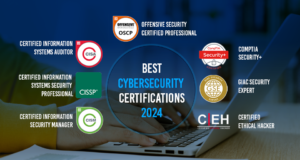
Security+ is still the cleanest starting point for many candidates. It gives you enough structure to understand the basics and enough signal to show you are serious. After that, cloud certifications can matter a lot, because Canadian postings keep asking for Azure and AWS security knowledge.
More advanced credentials, such as CISSP, CISM, CRISC, and CISA, tend to help later, especially if you are moving into leadership, governance, or architecture. If you are early-career, do not get lost in credential shopping. One well-chosen cert plus real practice beats three half-finished plans.
Degrees and Diplomas: Helpful, but Not the Only Path
A diploma, degree, or graduate certificate can help, especially when it gives you lab time or co-op experience. But it is not the only path in. Hiring managers often care more about relevant experience and an entry-level certification than about a perfect academic pedigree.
That lines up with what many hiring trends show: employers want proof. A home lab, a CTF result, a help desk job, or a solid internship can say more than a vague “passion for cybersecurity” line ever will.
Protect Your Business Now
From detection to response, get complete protection with CyberPhore.
Get ProtectedHow Much Cybersecurity Jobs Pay in Canada
Pay is one of the reasons people keep looking at this field. It is not magic money, but it is better than many adjacent paths, and the ceiling rises fast once you build real specialization.
Typical Salary Ranges You Can Expect
Recent Canadian salary data shows averages around $90,490 on the low end and $117,399 on the high end, with medians of $86,000 and $112,000 for annual salary postings. Another dataset put the broader median around CA$85,000, which is a pretty solid baseline for a field with strong demand.
Province matters. British Columbia tends to pay more than Ontario in some postings, while Ontario still has the biggest volume. Alberta may pay less on paper, but lower housing costs can change the real math.
What Changes Your Pay Fastest
Specialization helps more than generic experience. Cloud security, application security, incident response, and infrastructure security usually move pay faster than broad generalist work. Leadership also changes the number quickly, especially in 24/7 operations or security management roles.
The biggest jump often comes when you can combine technical depth with business context. If you can secure systems and explain why the work matters, you become much harder to replace.
How to Search Smarter and Actually Get Interviews
A better search strategy can feel like turning on the lights. The market is not tiny, but it is noisy, and broad searches miss a lot of good openings.
Search by Role Family, Not Just “Cybersecurity”
Search for “security analyst,” “SOC analyst,” “cloud security,” “DevSecOps,” “privacy analyst,” and “risk analyst.” Job titles vary a lot in Canada, so searching only for “cybersecurity” leaves money on the table. That is especially true in larger provinces, where employers use different wording for similar work.
Read the posting language closely. If a role talks about monitoring, vulnerability response, or incident investigation, you are probably looking at a hands-on operations role even if the title sounds vague.
Focus on Province and Industry
Ontario gives you volume, British Columbia gives you solid pay in some areas, and Québec remains a major market with strong concentration in finance, government, and services. Pick one province and one industry lane first. Trying to search the whole country at once is like chasing mosquitoes in the dark.
Then match your search to employer type. Government jobs often emphasize clearance and process. Telecom and finance often emphasize systems, compliance, and reliability. Defense and critical infrastructure often want stricter standards and more specialized domain knowledge.
Read Postings for Hidden Clues
A posting can tell you much more than the title. Look for shift work, 24/7 monitoring, clearance requirements, cloud tools, OT or ICS exposure, and whether the role is really junior or quietly mid-level. If the ad asks for five tools, three certifications, and leadership experience, that is not entry-level no matter what the title says.
A strong example is a role that mentions round-the-clock incident response leadership. That means responsibility, pressure, and a deeper skill set, even if the posting sounds friendly on the surface.
A Simple Plan for Your First 90 Days
You do not need a giant career reboot. You need momentum, a focused lane, and enough proof to get someone to take your application seriously.
First 30 Days: Learn the Basics and Pick a Lane
Choose one role family and learn the language around it. Then review a few real Canadian postings each week so you stop guessing what employers actually want. Make a short list of ten jobs in Toronto, Ottawa, or Mississauga, and notice which skills keep repeating.
That list becomes your filter. Once you know the pattern, the market feels less random.
Days 31 to 60: Build a Proof-of-Skills Story
Pick one certification, one hands-on lab, and one resume update that matches your lane. If you are going toward SOC or analyst work, practice monitoring and incident triage. If you are leaning cloud, show that you can read security settings, spot bad defaults, and explain access controls clearly.
Employers trust evidence. A small project done well will beat vague enthusiasm every time.
Days 61 to 90: Apply, Network, and Adjust
Start applying with targeted resumes, not one generic file. Add one or two informational messages to people in roles you want, and keep your tone simple and direct. If a certain kind of job gets no response, adjust the title, province, or skill emphasis instead of assuming the whole field is closed.
Try one application today and one short networking message. That is usually how the door opens.
Frequently Asked Questions
Do you need a degree for cybersecurity jobs in Canada?
No. A degree can help, but many employers care more about hands-on skill, relevant experience, and certifications like Security+. If you can show real work through labs, projects, internships, or IT support, you can still get traction.
What is the easiest cybersecurity job to get first?
SOC analyst and security analyst roles are often the most realistic starting point. They teach alert handling, monitoring, and incident basics, which gives you experience that transfers into many other cyber paths.
Which province has the most cybersecurity jobs in Canada?
Ontario has the most openings by a wide margin, especially Toronto. British Columbia and Québec also have meaningful demand, so those are the other provinces worth watching closely.
Are cybersecurity jobs in Canada remote?
Some are, but many still expect hybrid or on-site work. The market is more flexible than it used to be, but a lot of Canadian employers still want people close enough to work in person when needed.
Which certification should you get first?
Security+ is the safest first step for many job seekers. After that, cloud security certifications can help a lot, especially since Azure and AWS credentials show up often in Canadian postings.
Can you switch into cybersecurity from another field?
Yes, and it happens all the time. IT support, networking, law enforcement, policy, research, and data analysis can all translate well if you frame your experience in security terms and build one solid proof point.
The Best Move Is to Narrow Your Search
Cybersecurity Canada jobs are not hard to find once you stop searching too broadly. Pick one province, one role family, and one proof point, then build from there. The field rewards focus, and your first good application will teach you more than a week of random browsing ever will.
Ready to Get Started?
Talk to CyberPhore's team. We'll assess your needs and design a custom solution.
Free Security Assessment